If you've been researching ways to restore your hair, you've likely come across a range of options, from surgical transplants to traditional wigs and toupees. But for many, non-surgical hair replacement systems strike the perfect balance between effectiveness, affordability and flexibility.
What Is Non-Surgical Hair Replacement?
Non-surgical hair replacement restores a full head of hair without surgery. A custom hair system, a breathable base holding real or synthetic hair, is fitted to your scalp and blended with your own hair for a natural-looking result. It works for both men and women and gives you results the same day.
- No surgery, no downtime. Nothing is cut or implanted, so there is no recovery period.
- Immediate results. You leave with a full head of hair the day your system is fitted.
- Custom fit. Each system is matched to your hairline, density and natural color.
- Wear it through everything. Depending on your system and attachment method, you can sleep, shower, swim and work out without taking it off.
- For men and women. A comfortable option, even when a transplant is not the right fit.
How a Non-Surgical Hair System Works
Unlike hair transplant surgery, which involves harvesting and relocating hair follicles, non-surgical hair replacement systems use a custom-fitted base to hold real or synthetic hair, blending seamlessly with your natural hair and scalp. These systems can be bonded, clipped or integrated in a way that looks and feels incredibly natural.
Our page on custom non-surgical hair systems for men and women covers the bases, bonding methods and daily wear in detail.
Modern Systems vs. Older Hairpieces
"Toupee" is often used to describe older, less natural-looking hairpieces. Think visible glue lines, poor fit and unnatural density. Today's best hair replacement systems are worlds apart, and they're designed to match your lifestyle, whether you're working out, swimming or heading to the office.
So if you've had a bad experience with a toupee in the past, know that the technology has changed, and so has the outcome.
Who Is Non-Surgical Hair Replacement Right For?
You might be a great candidate if:
- You're experiencing moderate to severe hair loss
- You want immediate results without surgery
- You've been told you're not eligible for a transplant
- You want to try something non-permanent before committing
- You value natural appearance and flexibility
Non-Surgical Hair Replacement for Women
Women lose hair differently than men, and we offer hair loss solutions built for women that address thinning at the part line and crown without surgery.
Most women notice a part that keeps widening, scalp showing through at the crown, or a ponytail that feels slimmer each year. Female pattern hair loss, hormonal changes, alopecia areata, medical treatment and tight styling can all contribute. Hair loss can feel especially isolating for women, simply because it is talked about so much less.
A women's system is usually designed to add density through your own hair rather than cover it, then colored to match and cut to the length you prefer. The goal is hair you can wear down, part where you like and style without planning around thin spots. Consultations are completely private, and if your hair loss follows medical treatment, we can talk through timing and comfort with you one on one.
Non-Surgical Hair Replacement for Men
Men usually notice it first at the temples, the crown or across the top. A system can rebuild a hairline suited to your age and face, even with limited donor hair. You can also compare other hair replacement options for men.
How the Process Works at National Hair Centers
1. A Free, Private Consultation
We listen to your goals, examine your scalp and remaining hair, and explain your options, with no membership or contract. New to hair systems? Our first-timer's guide to getting a hair system lists the questions worth asking.
2. Designing Your System
We map the area that needs coverage and choose a base, such as fine lace or thin skin, plus hair type, shade and density. For women the part line and crown get special attention, and the system is built to carry your preferred length; for men it is often the hairline.
3. Fitting
Your system is attached in our studio by bonding, clips or integration, whichever suits your scalp and routine.
4. Cut and Blend
The hair is then cut and styled in place so it merges with your own, whether you wear it long, layered or short. This is where a system stops looking like a product and starts looking like your hair.
5. Ongoing Maintenance
Studio visits clean, re-secure and refresh your system on a schedule set by your attachment method and lifestyle, and we teach you a simple home routine. Our hair system maintenance tips go deeper.
Wondering what this would look like on you? A consultation is free, private and pressure-free. Request your free consultation or call (602) 230-0000.
Before and After: Real Non-Surgical Results
Real clients, men and women, at different stages of hair loss. See many more in our before and after gallery.
 Before
 After
Thinning on top to a full, natural hairline
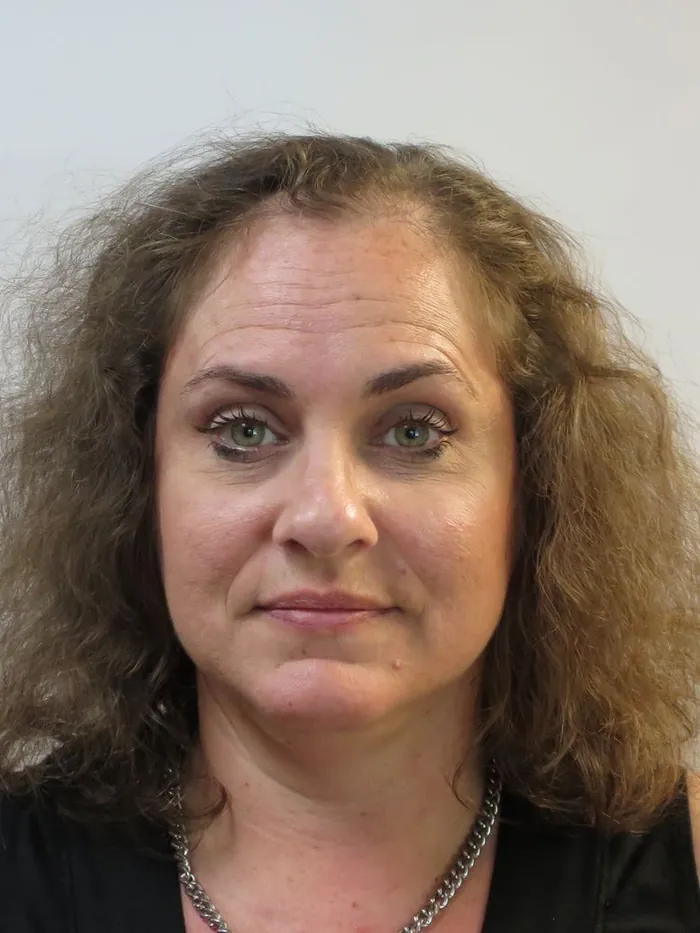 Before
 After
Fine, thinning hair to a full, layered bob
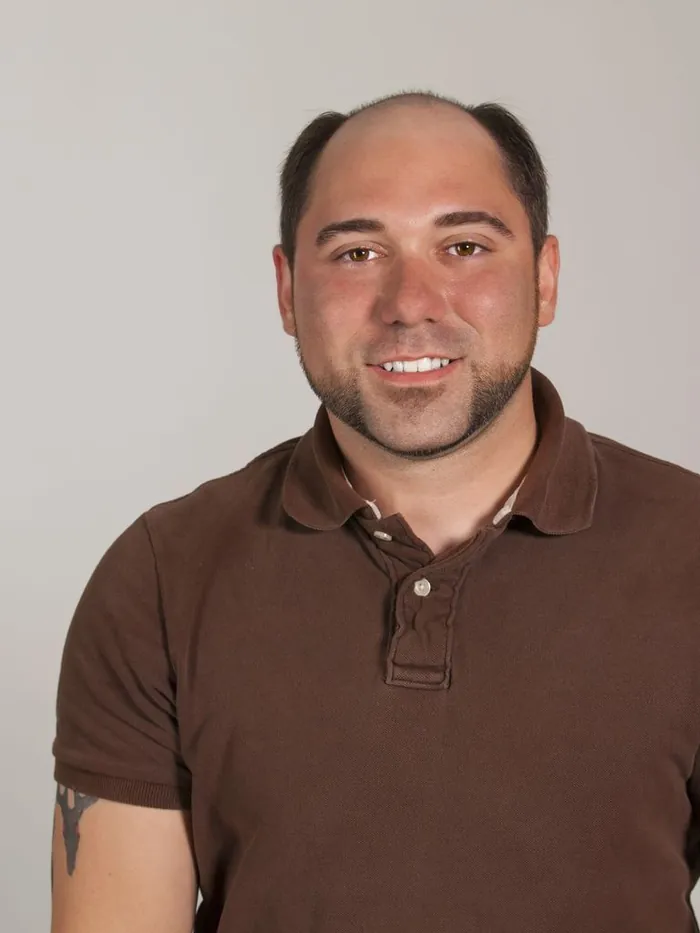 Before
 After
Visible scalp on top to full, matched coverage
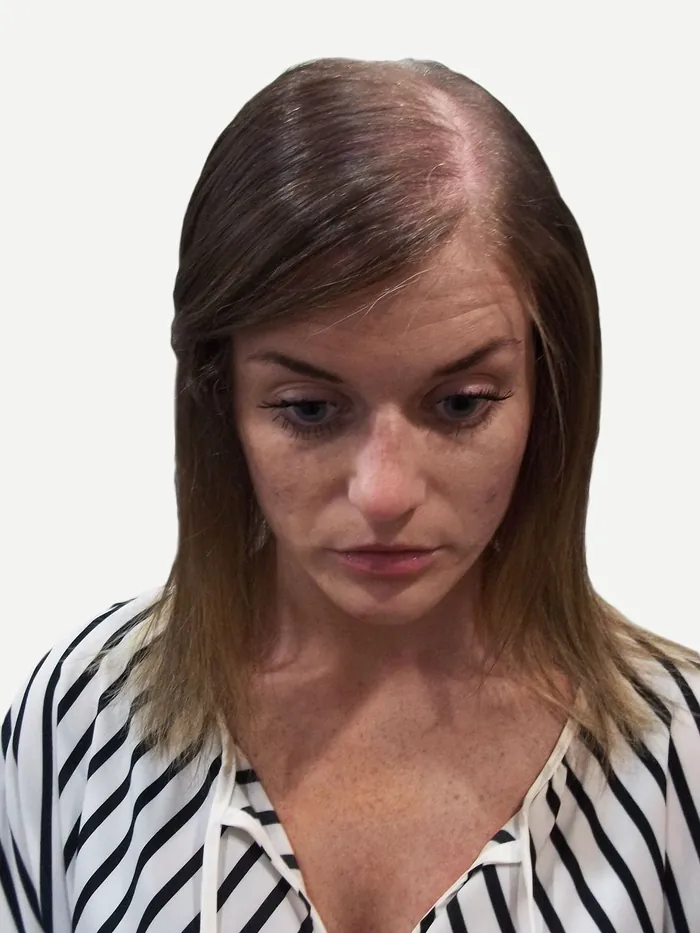 Before
 After
A widening part to a smooth, full style
Real client photos. Individual results vary. Client names withheld for privacy.
How It Compares With Transplants and Regrowth Treatments
When deciding between non-surgical hair systems and hair transplant surgery, it's important to weigh the differences. Non-surgical options are completely non-invasive, require no recovery time and deliver immediate results. They're also highly customizable and typically have a lower upfront cost. In contrast, hair transplant surgery is a minimally invasive outpatient procedure with a short recovery, and transplanted hair takes about six months to show and 12 months to fully grow in. Although transplants can offer a permanent solution, they are limited by your existing hair supply and come with a higher initial cost.
When a Transplant Makes Sense
A transplant moves your own follicles, so it suits stable loss with enough donor hair. Diffuse thinning, which is more common in women, can be harder to treat this way. If your loss is stable and your donor hair is good, your consultation can include a conversation about hair transplant surgery with Dr. Ramona Kelemen.
When Regrowth Treatments Come First
If thinning is recent or unexplained, look at the scalp before adding hair, especially for women, since thinning can follow hormonal or health changes. A trichology and scalp-health evaluation looks for likely causes and explains options such as low-level laser therapy or supplements like Novamane and Nutrafol. These rely on active follicles and cannot add hair where none grows.
The Honest Pros and Cons
Pros
- A finished look from day one. No waiting for grafts to grow in.
- Works at almost any stage. From a widening part to advanced loss.
- Complete control. You choose the density, shade, length and style, and the cut can change with you.
Cons
- Ongoing maintenance. Regular studio visits and home care.
- Systems wear out. Each is replaced over time, so the cost is ongoing.
- Skill matters. Results depend heavily on whoever designs and cuts it.
What the Best Non-Surgical Hair Replacement Has in Common
Look for custom design, an in-person fitting and cut, and clear answers on upkeep and cost. National Hair Centers has been family owned in Phoenix since 1975, and owner Sean Dirodis has worn hair systems himself since 1987.
Non-Surgical Hair Replacement FAQ
How much does non-surgical hair replacement cost?
It depends on the system: the area covered, human or synthetic hair, the base, custom color and hairline work, and how often you need upkeep. Ask about the yearly cost, not just the first system. See what hair replacement costs and why.
How long does non-surgical hair replacement last?
The approach lasts as long as you choose to wear it, but each system wears with daily use and is replaced over time. Base, density and care all matter; see how long hair systems really last.
What are the pros and cons of non-surgical hair replacement?
Pros: an immediate result, no surgery or recovery, and full control over the look, even with limited donor hair. Cons: regular maintenance and periodic replacement make it an ongoing commitment. See the full pros and cons on this page.
Is non-surgical hair replacement a good option for women?
Yes. Thinning in women usually spreads across the part and crown, so a women's system is often designed to add fullness through your own hair while matching your length and style. Appointments are private. Explore our women's hair loss options, including help for early thinning.
Is non-surgical hair replacement a good option for men?
For most men, yes. It can address a receding hairline, a thinning crown or advanced loss, and it often helps men told they lack the donor hair for a transplant. Explore our non-surgical hair solutions for men.
What does the non-surgical hair replacement procedure involve?
No anesthesia, incision or recovery. After a free consultation, your system is designed around your area of loss, attached in our studio, then cut and blended into your own hair, followed by scheduled maintenance.
Keep reading
See What a Custom Hair System Would Look Like on You
The best way to know if non-surgical hair replacement is right for you is to see it in person. Book a free, no-pressure consultation in Phoenix and our team will assess your hair and walk you through your options. No memberships, no contracts.
After hours, calls go straight to owner Sean Dirodis and are returned within 24 hours.