NovaMane Reviews: Truth on “All-Natural” Hair Pills
Feeling Overwhelmed by “Miracle” Hair Supplements?
If you’re noticing thinning hair or a receding hairline, your feeds are probably full of ads for NovaMane and other “all-natural” hair supplements. They often feature excited influencer testimonials, dramatic before-and-after photos, and claims of “secret formulas” that can regrow a fuller head of hair in just weeks or months.
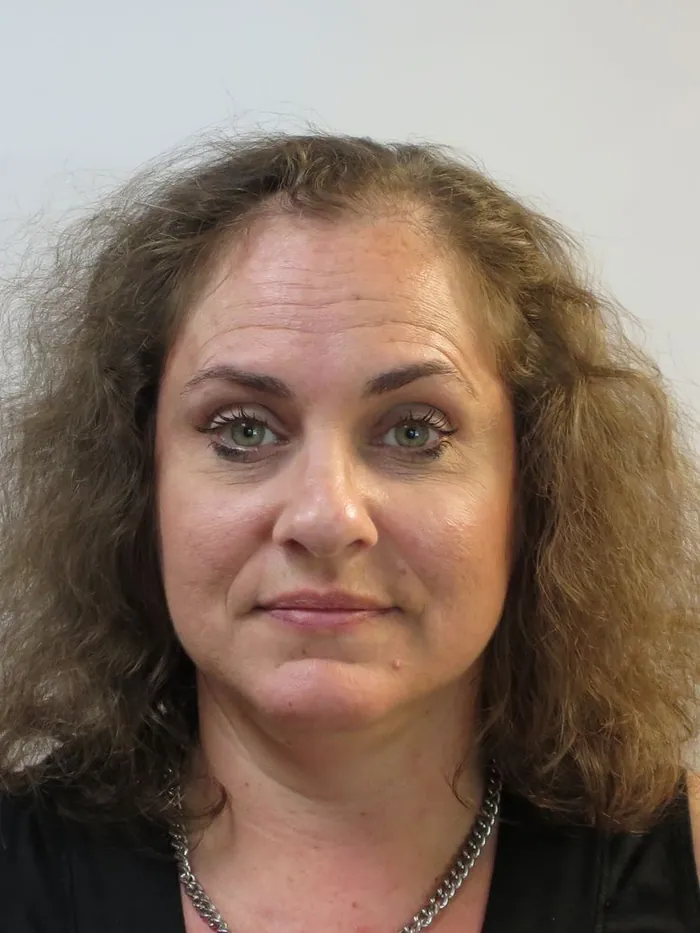
Does NovaMane Work for Women's Hair Loss?
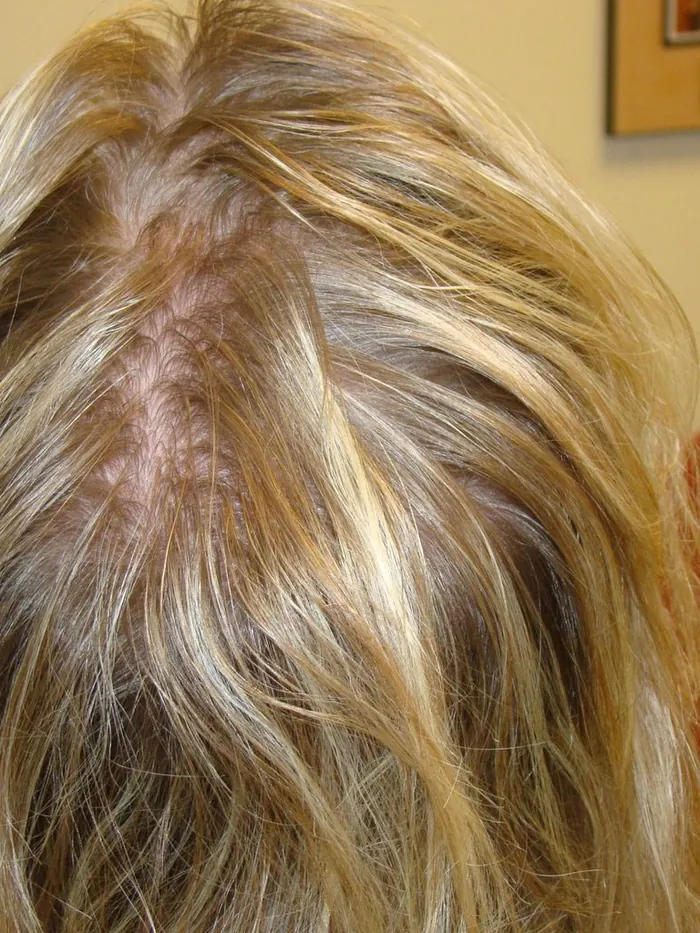
NovaMane is an "all-natural" supplement, not an FDA-evaluated treatment, so for women it can support general hair health but cannot restore hair where follicles have already stopped producing. Here is the honest breakdown:
- What it may help: stronger, shinier existing hair and less shedding when a nutritional deficiency like low iron, vitamin D, or zinc is part of the picture.
- What it cannot do: reverse female pattern hair loss, reactivate dormant follicles, or rebuild density on a visibly thinning part line.
- Why the before-and-afters mislead: dramatic photos usually come from lighting, styling, and paid testimonials, not clinical proof.
- What actually restores visible coverage: proven, in-clinic hair loss solutions for women, especially because the right hair is often not permanently gone.
However, what most of these ads do not explain clearly is what is actually proven to work for hair regrowth, and what is not. As a result, many men and women spend months taking pills, powders, and gummies while their hair continues to thin, feeling frustrated and confused about why the results don’t match the hype.
At
National Hair Centers, we talk every day with people who have tried multiple supplements without seeing the density or coverage they really want. They aren’t wrong for hoping a simple pill could reverse hair loss. The problem is that marketing often blurs the line between supporting overall hair health and actually restoring lost hair or reversing genetic baldness.
In this article, we’ll break down how NovaMane-style supplements are marketed, what “all-natural” really means in this context, what the FDA disclaimer is quietly telling you, and, most importantly, what actually works when you want visible, predictable hair restoration results.
Why Supplements Sound So Convincing
On the surface, NovaMane and similar products check every emotional box. They promise regrowth, they sound safe, and they appear effortless. For many people who are worried about hair loss, that combination is very hard to resist.
The Power of Anecdotal Success Stories
Most hair supplement brands lean heavily on personal stories and influencer testimonials. You see people on social media holding a bottle and saying their hair is “thicker than ever,” or that they “finally found something that works” after trying everything else.
Anecdotes feel trustworthy because they come from real people, not clinical charts. However, there are important limits you usually do not see in the fine print:
Results may be due to styling changes, lighting, or camera angles.
Some users were also using other treatments at the same time.
Influencers are often paid or given free product.
People with great results are more likely to post than those who saw nothing.
As a result, these stories can create an unrealistic expectation that most users will see dramatic regrowth. In practice, that is not how supplements work, especially when hair loss is genetic or advanced.
The “All-Natural” Health Halo
Another major selling point of NovaMane-type supplements is their
“all-natural” positioning. You’ll see ingredients like biotin, collagen, saw palmetto, horsetail extract, and various vitamins and minerals. The implication is that natural automatically means safe, gentle, and effective.
This messaging is powerful because it seems to offer results without trade-offs:
No prescriptions or doctor visits.
No injections or surgery.
No uncomfortable procedures or downtime.
Just a pill or gummy you add to your routine.
However, “natural” is not the same as “proven for hair regrowth.” Many natural ingredients are good for general health, but that does not mean they can reverse genetic hair loss or restore follicles that have stopped producing hair.
In addition, “natural” does not always mean risk-free. For example, some herbal ingredients can interact with medications, affect hormones, or cause side effects in certain people. This is why it is important to review supplements with a qualified provider if you have medical conditions or take prescription drugs.
Why “No Lifestyle Change Needed” Is So Appealing
Most of us would love a solution that does not require changing diet, managing stress, or adjusting grooming habits. Supplement ads often lean into this, promising visible results with almost no effort beyond swallowing a capsule.
That promise is attractive because:
It feels simple and manageable in a busy life.
It avoids uncomfortable conversations with a doctor or stylist.
It delays tough decisions about long-term treatment or restoration.
The challenge is that hair loss is rarely solved by a “set it and forget it” supplement alone. For many people, especially those with hereditary or long-standing thinning,
relying only on pills can quietly waste crucial time, time when more effective options could have preserved your look or restored thicker coverage.
Therefore, while supplements can be a small part of an overall hair health plan, they should not be confused with proven solutions for visible hair restoration.
The FDA Disclaimer Tells the Real Story
If you look closely at the label or website for NovaMane and most similar hair supplements, you’ll almost always find a small but important sentence: “These statements have not been evaluated by the Food and Drug Administration.” It is easy to overlook, yet it tells you more than any testimonial or ad copy.
What “Not Evaluated by the FDA” Actually Means
In practical terms, this disclaimer means the product’s claims about regrowing hair, thickening density, or stopping hair loss have not been reviewed or confirmed by the FDA. In other words, there is no requirement for the company to provide strong clinical evidence that the supplement performs as advertised.
Unlike prescription medications or FDA-approved topical solutions, supplements are regulated more like food. They must be safe to consume and labeled accurately, but they do not need to prove they can reverse hair loss, regrow follicles, or outperform a placebo.
This is a crucial distinction:
Supplements can claim to “support hair health,” which is broad and vague.
They cannot legally claim to treat or cure a disease without evidence.
They can still imply dramatic results through testimonials and imagery.
So, when you see that FDA disclaimer, it is a reminder to ask:
Is there independent, clinical proof this product can do what I really want, which is to restore visible hair?
Supplements vs. Genetic Hair Loss
It is also important to separate two different things: general hair health and true hair regrowth in areas affected by genetic or long-term loss. Supplements can sometimes help if your hair is suffering from nutritional deficiencies, stress-related shedding, or recent illness.
However, for most men and women experiencing pattern hair loss, the main drivers are:
Genetics and family history.
Sensitivity to hormones such as DHT.
Follicles gradually miniaturizing and shutting down.
Once follicles have significantly miniaturized or stopped producing hair, vitamin-based supplements are not able to “wake them up” again in a predictable way. They do not reverse the underlying genetic process, and they cannot rebuild a follicle that is no longer functional.
This is why you will not see legitimate claims on a supplement label saying it “cures baldness” or “reverses male and female pattern hair loss.” Any product that does make those promises is going far beyond what current evidence can support.
Where Supplements Can Still Play a Role
None of this means every ingredient in NovaMane-style supplements is useless. Certain nutrients, such as biotin, vitamin D, iron, and zinc, are essential for healthy hair growth. If you are deficient, correcting that deficiency can improve shedding, breakage, or overall hair quality.
In some cases, a targeted supplement plan, supervised by a knowledgeable provider, can be part of a broader approach that includes medical treatments or cosmetic solutions. But it is crucial to keep expectations realistic:
Supplements may help your existing hair grow stronger or shinier.
They may reduce shedding if deficiency is a major factor.
They will not reliably rebuild density in areas of long-term thinning.
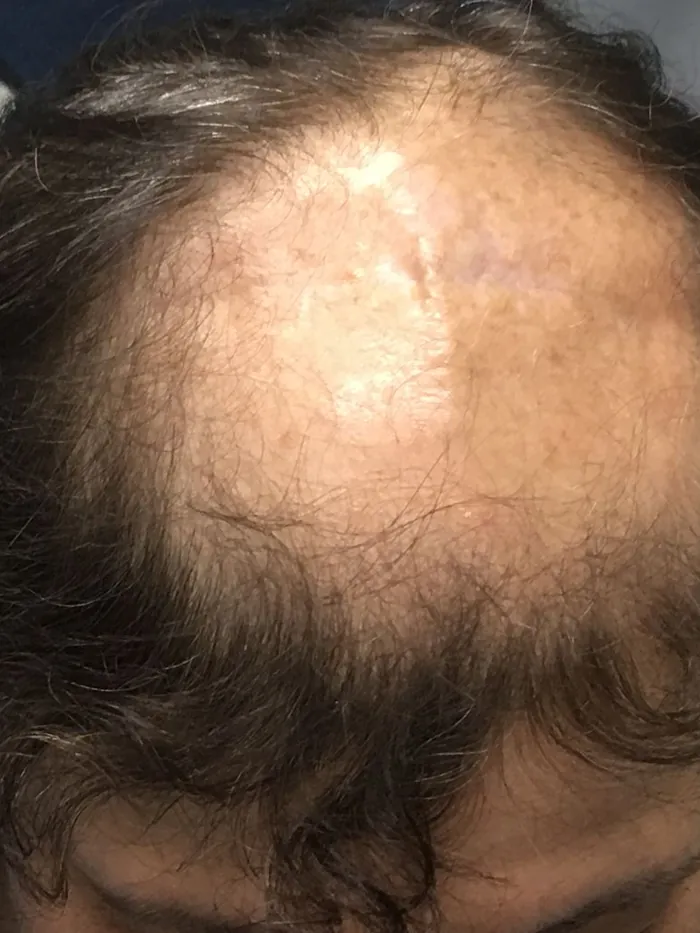
They will not replace lost hair in shiny, smooth bald spots.
Therefore, if your primary goal is to see more coverage where your scalp is already visible, supplements alone are unlikely to deliver the transformation shown in many ads. That is where proven hair restoration options come in.
What Actually Works for Visible Hair
Once hair follicles stop producing hair, no over-the-counter supplement has been shown to restore them consistently. That does not mean you are out of options. It simply means that meaningful, visible improvement comes from approaches that do not rely on guessing what your body might do in response to a pill.