Living With Alopecia Hair Loss in Phoenix
There are two separate problems here, and they need two different people. The medical side belongs to a dermatologist. The appearance side, getting your hair back in the mirror, is what we do, and we do it a few minutes from central Phoenix.
Free and private. No pressure, no membership. Locally owned in Phoenix since 1975.
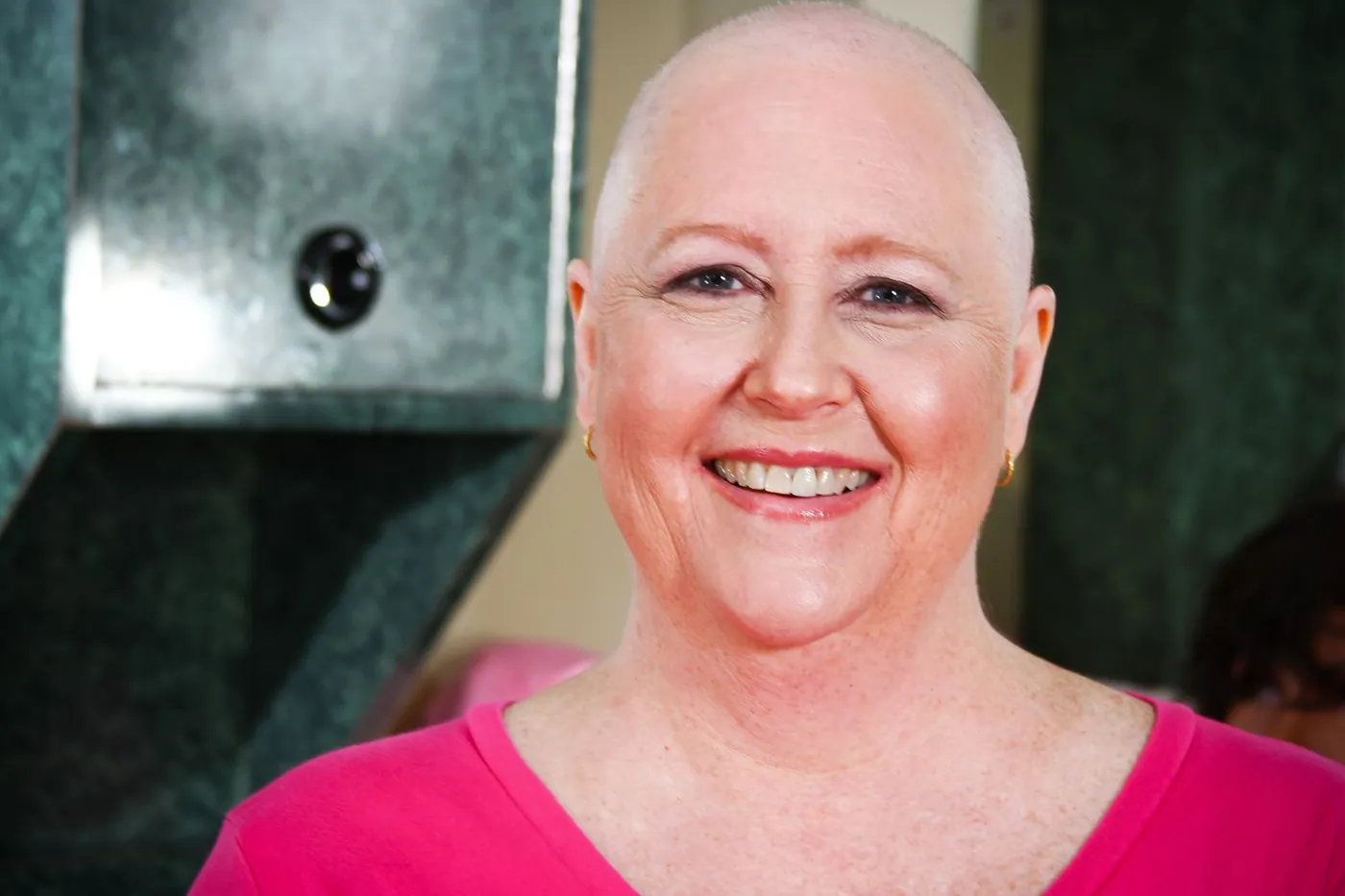
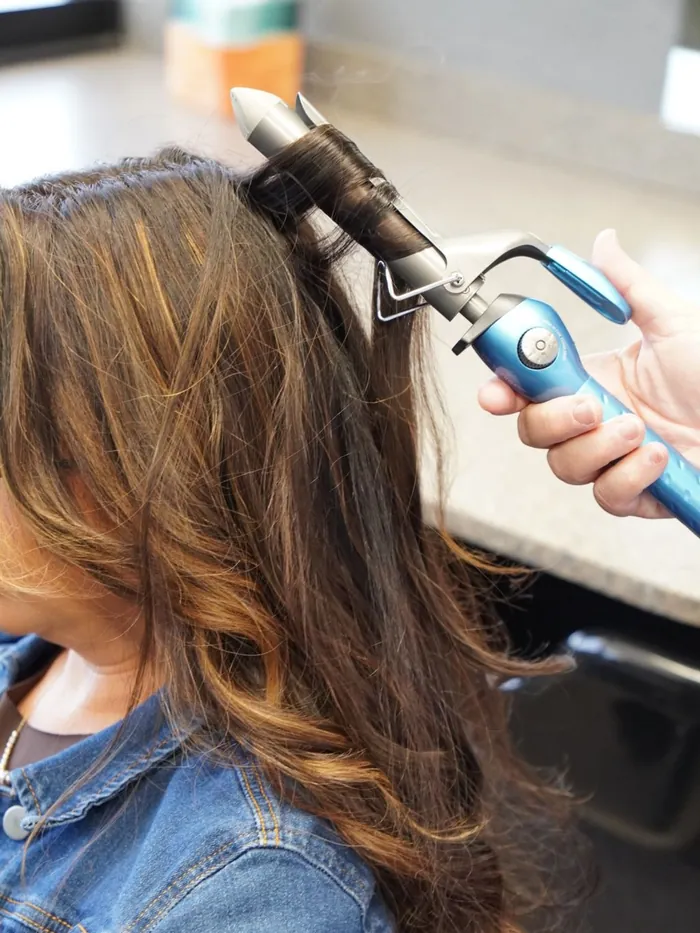
Two Problems, Two Different People
If you have been told you have alopecia areata, or any of the autoimmune forms of hair loss, you are dealing with two things at once, and it helps enormously to stop treating them as one thing.
The first is medical. Something is happening in your body, it has a name, and it has a specialty attached to it: dermatology. A dermatologist is the person who confirms which type of alopecia you have, rules out the things that look like it, and decides whether there is a treatment worth trying. We are not that, and we will never pretend to be. We do not treat, cure or reverse autoimmune conditions, and anybody in our industry who tells you they can should lose your trust immediately.
The second is how you look, right now, today, while the first one plays out. That is ours. It has nothing to do with medicine and everything to do with craft: matching color and texture, designing a hairline, choosing a base or a cap that your scalp can tolerate, and cutting the result so it looks like hair rather than like a piece. You are allowed to want that, and wanting it does not mean you are giving up on the medical side.
Most of the people we see are doing both at once. If you want the background on how autoimmune conditions and hair loss are connected, we have written that up separately in the link between autoimmune diseases and hair thinning and in what is alopecia areata.
The dermatologist handles
Confirming which type of alopecia you have. Ruling out the conditions that mimic it. Blood work and any scalp biopsy. Deciding whether a medical treatment is appropriate for you, and monitoring it. Anything to do with an inflamed, painful or actively changing scalp.
If you do not have a diagnosis yet, that is the appointment to make first.
National Hair Centers handles
How it looks. Matching your color, texture and density. Designing a hairline that suits your face. Choosing between a topper, an integration piece, a hair replacement system or a full cap wig. Cutting and blending the result, and servicing it over time.
Free consultation, in Phoenix, with no obligation attached to it.
Some of It Grows Back. Some of It Does Not.
Alopecia areata is known to regrow on its own in some people, and it responds to medical treatment in some people. It can also return after it clears. The scarring forms of alopecia behave differently, because the follicle itself is damaged, and loss from a scarring type can be permanent.
Which of those applies to you is a question for your dermatologist, not for us and not for the internet. We are not going to quote you a percentage or a timeline, because we do not know yours and neither does anyone selling you something. What we can tell you is that you do not have to wait for the answer before you decide how you want to look in the meantime.
Patchy, Diffuse, or All of It
How much hair you have left is the single thing that decides what the right answer is. These are genuinely different solutions, not three price tiers of the same one, and the cheapest honest answer is sometimes the simplest one.
Patchy loss
Coin-sized or irregular bare areas with healthy hair around them. This is the easiest situation to solve well, because there is surrounding hair to blend into and the piece only has to cover what is actually bare.
Usually a small topper, an integration piece, or careful cutting and placement of the hair you still have. Sometimes the right answer is a different part line and nothing else.
Diffuse thinning
No bare patches, but you can see scalp through the crown and the part, and the ponytail is half what it was. There is still hair, so it is a density problem rather than a coverage problem.
Usually a topper or a hair replacement system designed around the thin area and blended into your own growing hair. More on this in hair loss solutions for women.
Total or near-total loss
Little or no remaining hair, sometimes including eyebrows and lashes. With nothing to attach to or blend with, a full cap wig or cranial prosthesis is the honest answer, and there is nothing second-best about it.
A good one is a fitting job: cap construction, a hairline that is not a straight line, density that matches your age, and a cut done on your head rather than in a factory.
Wigs and toppers are not a consolation prize here. For total loss they are the correct solution, and the difference between one that reads as hair and one that reads as a wig is entirely in the fit, the hairline and the cut. You can see what that looks like in the results gallery.
The Same Afternoon, Start to Finish
The same client appears in both photos below. The first is the fitting in progress. The second is the finished result. Nothing in between involved a waiting list or a procedure.
Most people are surprised by how ordinary it is. You sit in a chair, somebody cuts hair, you look in a mirror and say whether you like it. If you want to see what a result might look like before you come in, the free AI hair preview further down this page will email you one.
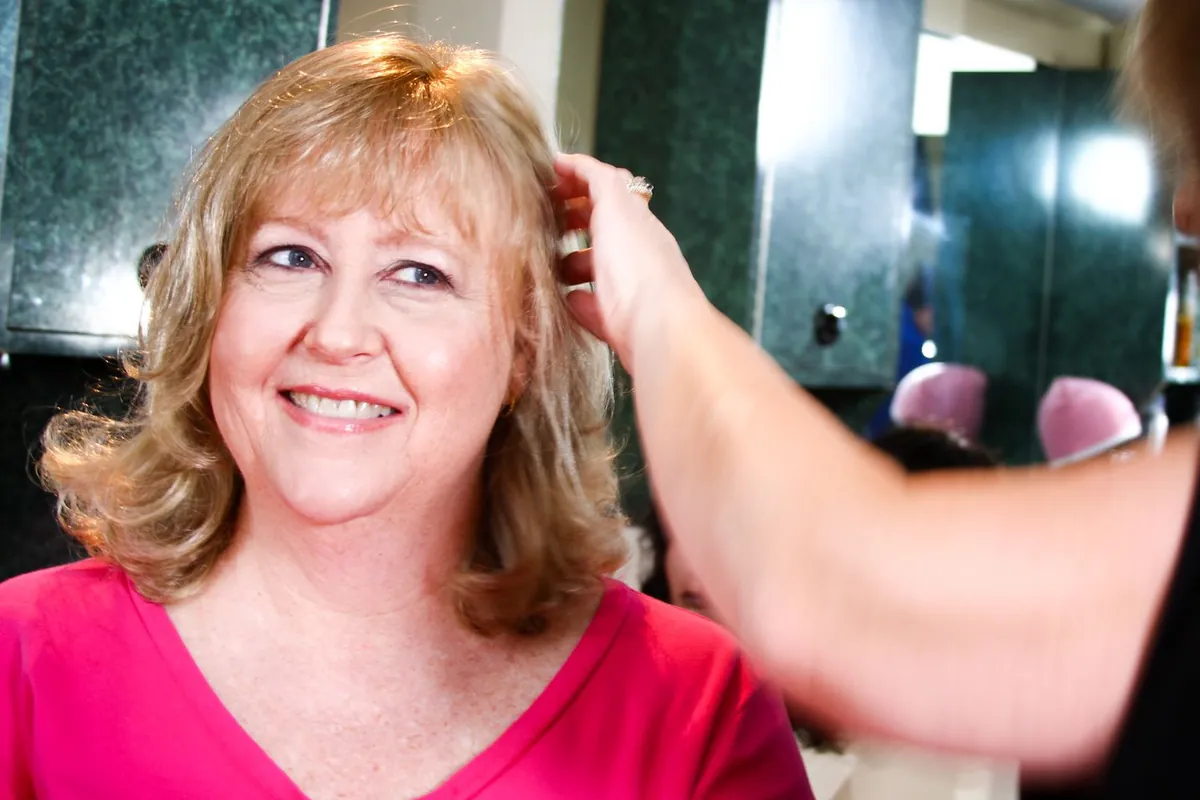
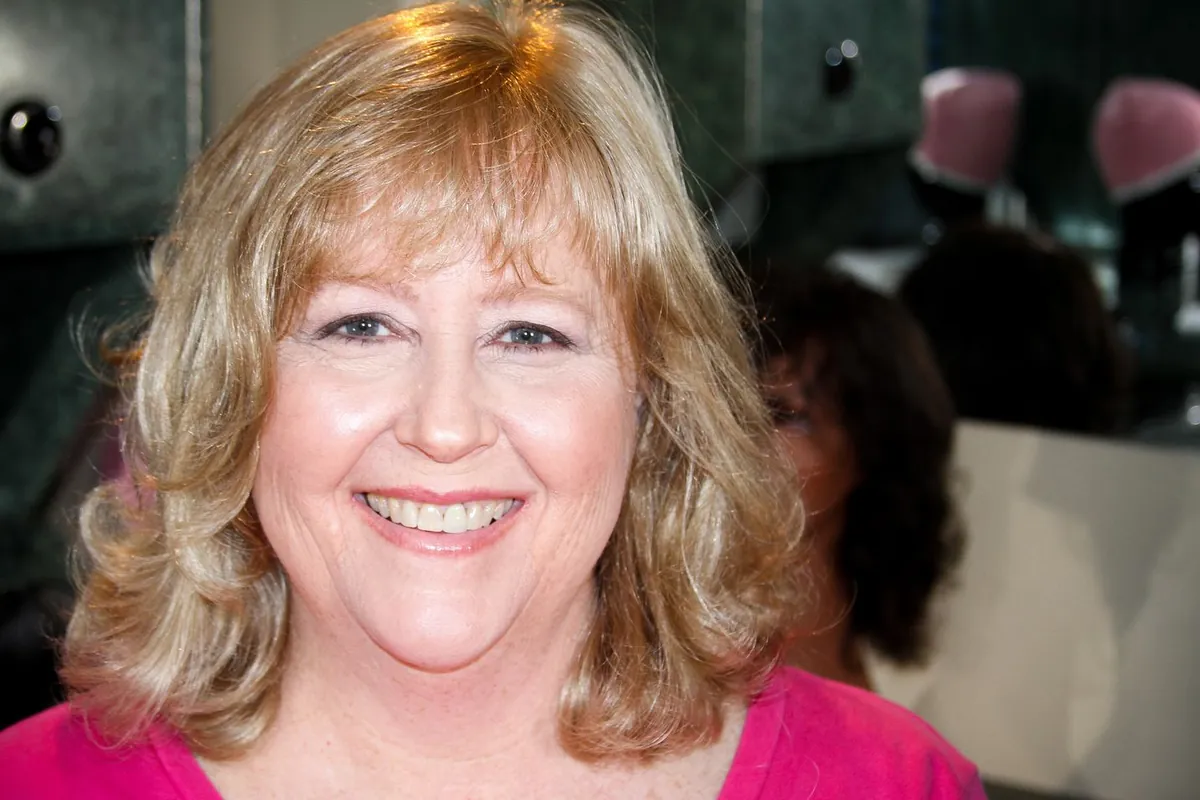
Real client photos. Individual results vary. Client names withheld for privacy. Non-surgical hair replacement at National Hair Centers, Phoenix, AZ.
It Should Look Like Your Hair
The goal is not a dramatic reveal. It is that nobody comments. Color, texture and density all have to agree with each other and with your face, and the hairline has to be slightly irregular, because real ones are.
Texture matters more than people expect. Hair that is matched for color but not for curl pattern reads as wrong immediately, even to someone who cannot say why. That is one reason this is a fitting and a consultation rather than an order form, and it is worth saying plainly that alopecia areata is reported more often in Black women, so this is not an afterthought in how we match hair here.
Ask to see finished work on people whose hair is like yours before you commit to anything, anywhere. Ours is in the gallery, and if you do not see what you are looking for, ask us at the consultation and we will show you more.
Individual results vary, and anyone showing you results without saying so is being careless with your expectations.
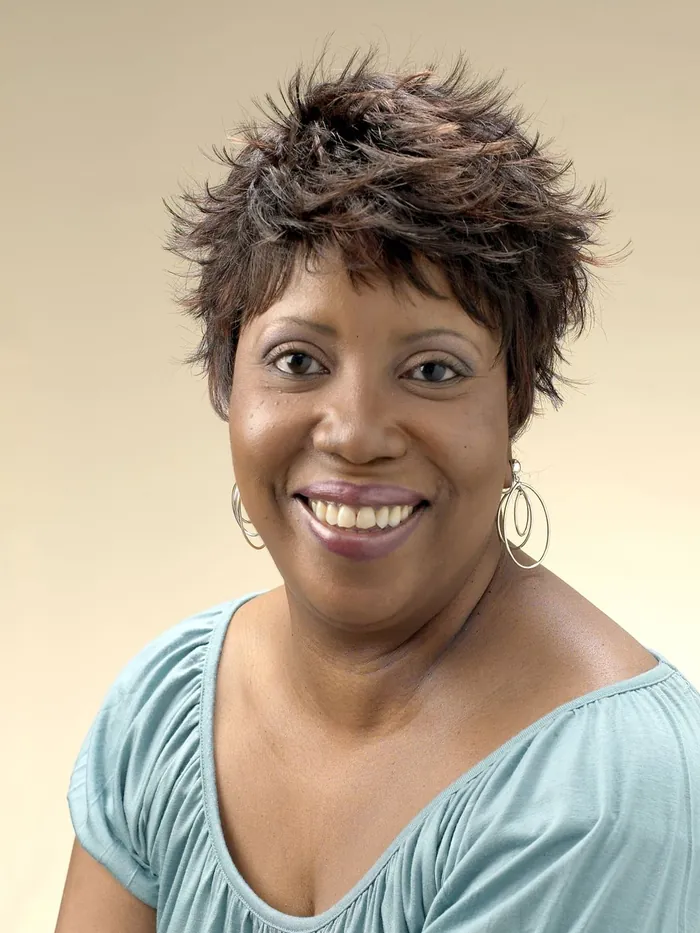
Real client photo. Individual results vary. Client names withheld for privacy.
What People Ask Us About Alopecia
Can National Hair Centers treat my alopecia?
No, and we will not tell you otherwise. Alopecia areata and the other autoimmune forms of hair loss are medical conditions, and the people who diagnose and treat them are dermatologists. We are a hair restoration studio. What we do is the appearance side: we restore the look of a full head of hair while your medical care happens somewhere else. Those two things run in parallel, and neither one cancels the other out.
Will my hair grow back on its own?
Sometimes, and nobody can promise you either way. Alopecia areata is known to regrow on its own in some people, and it also responds to medical treatment in some people. It can also come back after it clears. The scarring forms of alopecia are different, because the follicle itself is damaged, and loss from a scarring type can be permanent. Your dermatologist is the only person who can tell you which category you are in. We will not guess at it, and we will not quote you a rate or a timeline.
I only have a few patches. Is it too early to come in?
No. Patchy loss is one of the easier situations to solve well, because there is surrounding hair to blend into and the piece only has to cover the area that is actually bare. Coming in early also means we see your own color, texture and density while it is still there, which makes matching easier later if the loss spreads. There is no obligation attached to a consultation.
What if I have lost all of my hair, including eyebrows and lashes?
Then a full cap wig or a full cranial prosthesis is usually the right answer, and there is nothing second-best about it. With no remaining hair there is nothing to attach to or blend with, so a piece that covers the whole scalp is the honest solution. The fit, the cap construction, the hairline and the density are what separate one that looks like hair from one that looks like a wig, and that is the part we do.
Will a hair system damage the hair I still have?
This is the right question to ask, and it depends entirely on the attachment method and how it is maintained. Any attachment that pulls on fragile hair is the wrong attachment for fragile hair. That is a conversation to have with us at the consultation and with your dermatologist, and if your scalp is inflamed or actively being treated, the answer may be to wait, or to choose a method that touches it as little as possible. We would rather tell you that than sell you something.
What does it cost?
There is no single price, because there is no single solution. Cost depends on how much coverage you need, the type of hair, the base or cap design, the amount of customization and the ongoing service. We quote you an exact price in writing at your free consultation rather than publishing a number online that turns out not to apply to you. There is no membership and no long-term contract.
Where are you, and what happens at the consultation?
We are at 5828 N 7th Street Suite 200 in Phoenix, and we have been locally owned here since 1975. The consultation is free, private and about 30 minutes. We look at your scalp and your remaining hair, listen to what you want to look like, and explain which options fit your situation and what each one would involve. If the right next step is your dermatologist rather than us, we will say so.
Not in Phoenix Yet? See It First.
Upload a clear photo of yourself and answer a few quick questions to receive your personalized hair system preview right here on the page. A copy will also be emailed to you.
How it works: Our custom AI generates your preview in about 30 seconds. If you are a good candidate for a hair system, a team member from National Hair Centers may reach out to discuss your options.